


Harnessing AI to Advance GW's Strategic Framework
Artificial Intelligence (AI) is rapidly reshaping higher education, and at GW, it plays a critical role in advancing all three priorities of the university’s Strategic Framework. To ensure AI is harnessed thoughtfully and in alignment with GW’s mission, President Ellen M. Granberg announced a university-wide strategic mapping exercise to identify current AI uses, opportunities, and risks across research, teaching, and operations, led by Senior Advisor to the President on AI Strategy, Dr. Zoe Szajnfarber. This collaborative effort will inform the development of GW’s institutional AI strategy and lay the foundation for principled, impactful adoption of AI across the university.
Timeline
- December 2025:
- AI mapping exercise announced
- Working group co-chairs named
- Data collection survey sent to GW leadership for distribution within units
- January 2026:
- GW community members invited to join working groups
- February 2026:
- Opportunities for broader community input through surveys and focus groups
- March 2026:
- Working groups analyze input and summarize their initial findings
- April/May 2026:
- Preliminary reports are shared with stakeholders for feedback and refinement before delivering recommendations
Ways to Get Involved
The working groups want to hear from you! Please provide input through your preferred channel by March 1:
Hold a Focus Group
Members of the community are invited to hold self-organized small-group discussions, using a provided facilitation guide and questions. If you would prefer to connect with colleagues across campus, there is also an opportunity to register for cross-functional meet-ups.
Resources:
If you’d like to join a cross-functional meet-up:
Attend Office Hours
The co-chairs of the AI@GW working groups will hold virtual office hours. These are open, informal sessions where you can share your perspective and discuss any issues with the co-chairs.
Upcoming Zoom sessions:
- Education 1:
- Tuesday, February 3, 2:00–3:00 p.m. ET
- Add to calendar
- Research 1:
- Friday, Feb 6th, 9:30 – 11:00 a.m. ET
- Add to calendar
- Operations 1:
- Tuesday, Feb 10th, 2:30 – 3:30 p.m. ET
- Add to calendar
- Research 2:
- Wednesday, Feb 11th, 9:30 – 11:00 a.m. ET
- Add to calendar
- Operations 2:
- Thursday, Feb 12th, 11:00 am – 12:00 p.m. ET
- Add to calendar
- Education 2:
- Thursday, Feb 19th, 1:00 – 2:00 p.m. ET
- Add to calendar
Working Groups
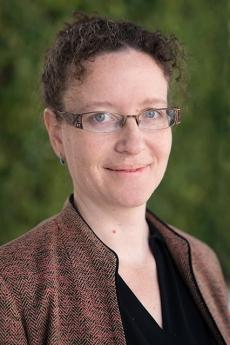
Zoe Szajnfarber
Professor and Senior Advisor to the President on AI Strategy
- Research Working Group
Co-Chairs:
- David Broniatowski, Professor of Engineering Management and Systems Engineering at GW Engineering
- Ted McKoy, Assistant Director for Award Set-up and Subaward Management in the Office of Sponsored Projects
Goals:
- Understand AI as an enabler (and complicator) of the research enterprise, in terms of both research itself and research administration
- Identify what support researchers and staff administrators need to engage productively and responsibly with these technologies
Research Working Group Members
- Lorien Abroms, SPH, Professor of Prevention and Community Health; Associate Dean for PhD & MS Programs
- Amal Cavender, LAI, Middle East & North Africa Area Studies Specialist
- Geetha Chilukamarri, IT, Enterprise Systems Developer
- Evangeline (Evie) Downie, CCAS, Professor of Physics; Associate Dean for Research
- Rohini Ganjoo, SMHS, Associate Professor of Biomedical Laboratory Sciences and of Physician Assistant Studies
- Clark Gaylord, IT, Director, Research Technology Services
- Kristin Johnson, Law, Lyle T. Alverson Professor of Law
- Scott Pace, ESIA, Professor of Practice and Director of the Space Policy Institute
- Micah (Mike) Sanders, GWIPP, Senior Research Associate
- Caroline Seaback, HR, Human Resources Director, Research
- Shelley Shearer, Finance - Procure-to-Pay Department, Director, University Payables
- Mohini Singh, Finance - Office of the University Controller, Compliance and Audit Manager
- Jason Stonewall, SPH, Senior Subcontract Coordinator
- Sherrie Wallington, SON, Professor of Nursing; Associate Center Director for Community Outreach & Engagement, GW Cancer Center
- Education Working Group
Co-Chairs:
- Ryan Watkins, Professor of Educational Technology Leadership in the Graduate School of Education and Human Development
- Karen Singer-Freeman, Associate Dean of Teaching and Learning Excellence in the Center for Teaching Excellence
Goals:
- Understand what GW students need to know about AI and what skills they need to thrive in a post-graduation world where AI will be commonplace
- Understand how the presence of AI in the classroom should change teaching and learning
- Determine what supports are necessary for the people at the center of that evolution, including tools, training and beyond
Education Working Group Members
- Kyle Albert, GWIPP, Associate Research Professor
- Eric Arnesen, CCAS, James R. Hoffa Teamsters Professor of Modern American Labor History
- Anthony Artino, SMHS, Associate Dean for Educational Research; Professor of Health, Human Function, and Rehabilitation Sciences
- Taylor Baugher, LAI, Research Services Librarian
- Vikram Bhargava, GWSB, Assistant Professor of Strategic Management and Public Policy
- Kelley Bishop, Office of Enrollment and Student Success, Associate Vice Provost for University Career Services
- Jeffrey (Jeff) Brand, Office of the Provost, Associate Provost, Undergraduate Affairs & Special Programs
- Alexander (Alex) Dent, CCAS, Professor of Anthropology and International Affairs
- Sylvain Guiriec, CCAS, Associate Professor of Physics
- John (JP) Helveston, SEAS, Associate Professor of Engineering Management and Systems Engineering
- Hannah Jardine, LAI, Director, Faculty Development
- Jose Carlos Linares, CPS, Advisory Council Member; CEO - IG Digital; Lecturer
- Miro Liwosz, SON, Assistant Dean, Online Learning & Instructional Technology, SON
- Elizabeth Rigby, CCAS, Associate Professor of Public Policy and Public Administration & of Political Science
- Phyllis Ryder, CCAS, Executive Director of the University Writing Program; Associate Professor of Writing
- Emmanuel (Manny) Teitelbaum, ESIA, Associate Professor of Political Science and International Affairs
- Margaret Ulfers, SPH, Teaching Associate Professor in Epidemiology
- Operation Working Group
Co-Chairs:
- Patrick Hall, Teaching Assistant Professor of Decision Sciences and Chief AI Officer in the School of Business
- Sue Bogan, GW IT Digital Transformation Specialist
Goals:
- Characterize the opportunities and risks of using AI as part of workflows and the complexities of moving in that direction, including cost and energy use
- Determine necessary support for staff
Operation Working Group Members
- Matthew (Matt) Andrews, Division of Safety and Operations, Director of Facilities, Buildings and Grounds
- Autumn Anthony, Office of the Provost, Assistant Director, OGPA
- Stephanie Baldwin, OGC, Associate General Counsel
- Denise Fowler, CCAS, Director of Career Development & Alumni Services
- Christopher (Chris) Goss, Finance - Financial Planning and Operations, Associate Vice President for Financial Management and Strategy - Schools
- Cristina Grigore, Office of Ethics, Compliance & Privacy, Privacy Director
- Ian Jenney, Office of the Registrar, Assistant Registrar, Student Support Services
- Victoria Karker, Law, Program Associate, Faculty Support
- Caroline Kemp, DSA, Student Health Center Associate Director, Medical Services
- Ioannis Koutroulis, SMHS, Associate Dean of MD Admissions
- Keidra Lazard, HR, Human Resources Director
- Tawanna Lee, Law, Professorial Lecturer in Law
- Joseph Miranda, GWSB, Assistant Dean, Operations
- Albert Mojica, HR, Executive Director, HRIS Business Operations
- Jeff Pearson, Finance - Office of the University Controller, Director, Financial Systems & Solutions
- Ryan Salandy, SEAS, Web Lead
- Shomari White, UA, Associate Vice President, Advancement Operations & Strategies
- Tenisha (Ava) Williams, SEAS, Director of Inclusive Excellence
